Elevating the Experience
Our customers resolve maintenance issues faster, improving response to guest requests while protecting the guest experience and reducing operating expenses.

Keep every property pristine and running smoothly, with data-driven facilities software and services purpose-built for hotel operations.
Our customers resolve maintenance issues faster, improving response to guest requests while protecting the guest experience and reducing operating expenses.
Faster work order completion
Lower costs from fewer costly repairs
Better work quality that reduces repeat maintenance issues
Our restaurant customers improved performance across their locations, seeing greater productivity at a lower operating cost.
Reduction work order resolution time
Increase in first-time completion rates
Decrease on repair and maintenance spend






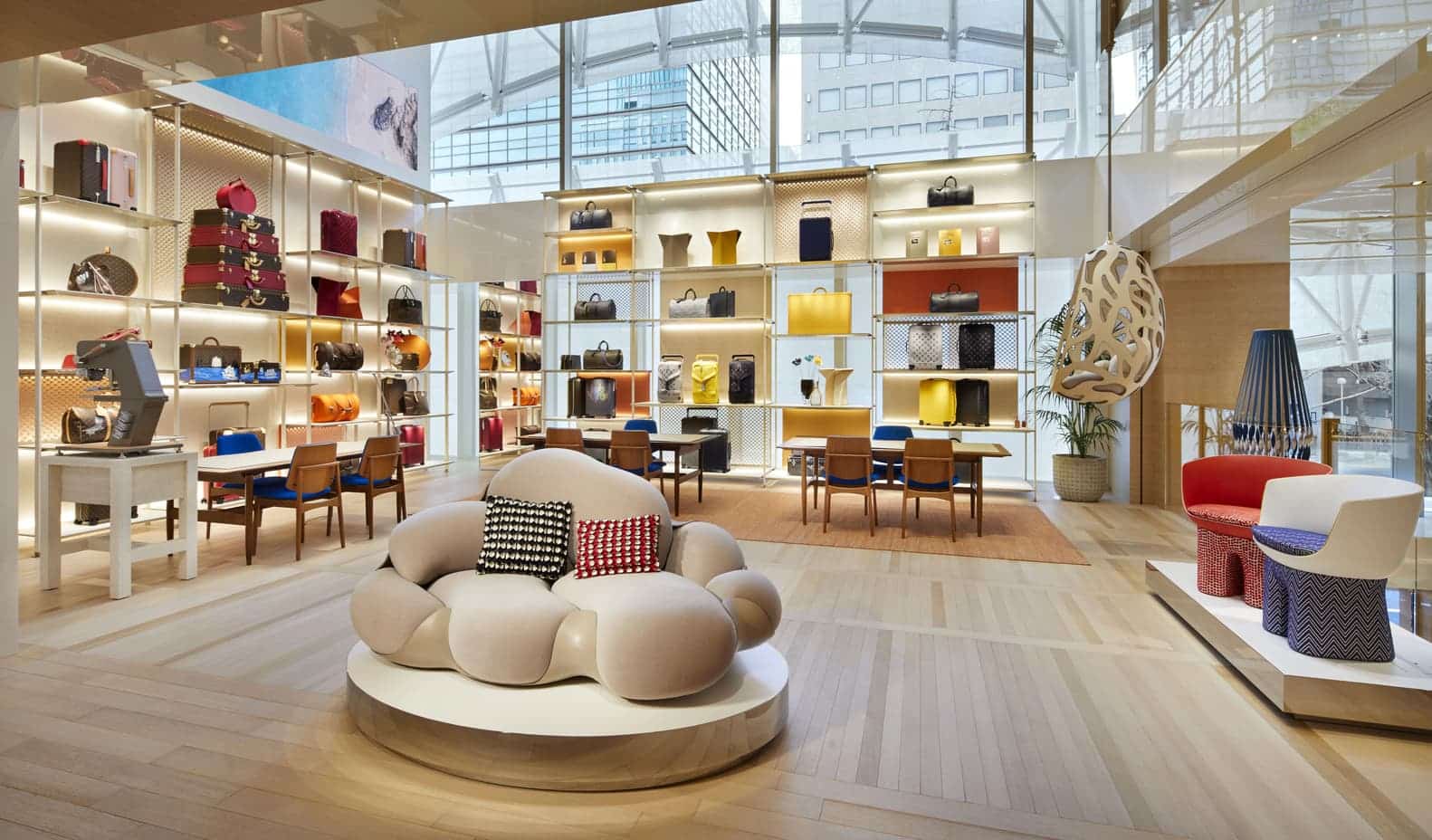


Use Service Provider Marketplace to source top providers with experience serving hotel locations
Preventive maintenance stays on track when hotel teams can standardize inspections across rooms and critical assets using digital checklists. With planned maintenance and other recurring tasks clearly documented in digital checklists, engineering can catch issues earlier, reduce last-minute emergencies, and support guest safety without adding unnecessary administrative work.
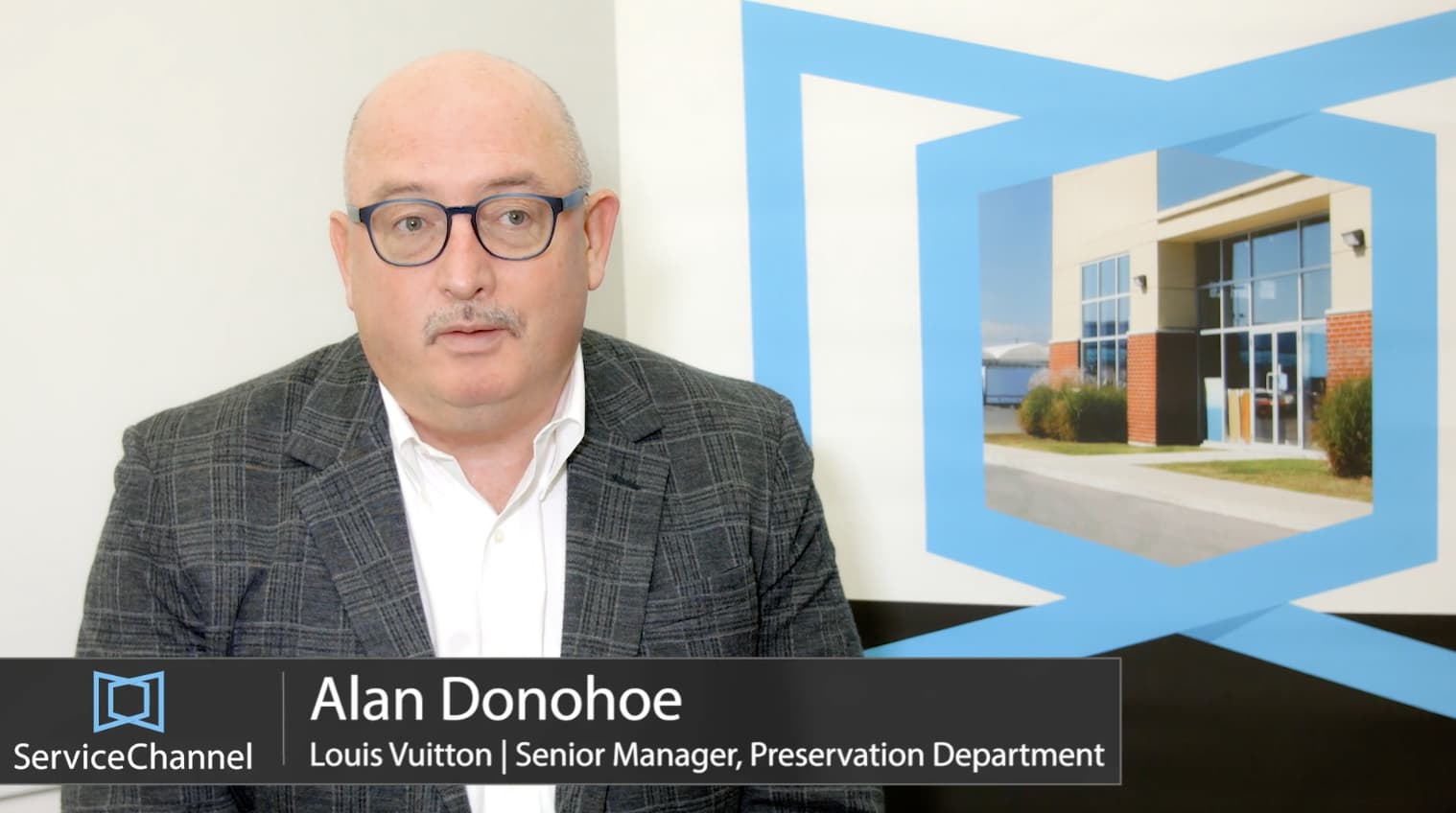
Alan Donohoe Senior Manager of Preservation Department, Louis Vuitton
A look at how proactive maintenance protects guest experience, operational reliability, and brand reputation across every property.
Learn why vendor management for hotels is essential to success and how technology can contribute to an effective service provider management strategy.
Learn why capital expenditure (CapEx) budgeting for hotels is often difficult and find out how technology can improve CapEx planning and management.

Tell us about your challenges and we’ll help you craft the right solution so you can hit your goals.
Get Started
Hotel maintenance software helps hotel engineering and maintenance teams manage work orders, preventive maintenance, inspections, and service provider work in one place. The goal is to keep rooms, amenities, and critical systems guest-ready while improving visibility into workload, costs, and performance.
It helps teams triage issues faster, assign work immediately, and track progress so repairs don’t stall. With more consistent preventive maintenance and clearer vendor follow-through, hotels can reduce repeat failures and return rooms to service sooner—protecting revenue and guest experience.
Hotel maintenance software can work alongside your existing PMS so room readiness workflows stay coordinated. For example, maintenance updates and room status processes can align across teams—without changing how the PMS functions as the system of record for rooms and reservations.
Common hotel maintenance KPIs include OOO/OOS duration, time to acknowledge and complete work orders, repeat work rates, and preventive maintenance completion. Many teams also track vendor response time, downtime by asset category (HVAC, elevators, kitchens), compliance completion, and warranty recovery.
The best approach is to set clear expectations and track performance consistently—especially response time, completion quality, and invoice accuracy. When vendor activity is centralized and measurable, teams can identify chronic delays, enforce SLAs, and reduce “chasing updates” that slows down repairs.
Effective PM programs use standardized schedules and checklists tied to room access windows, seasonality, and asset criticality. With better planning and tracking, hotels can reduce missed PMs, catch issues earlier, and shift work from reactive emergencies to predictable maintenance.
A general CMMS is designed for many industries, while hotel maintenance software is typically built around room-based workflows, rapid turn times, and guest-impacting priorities. Hotels also tend to need stronger coordination across teams (engineering, housekeeping, ops) and service providers—often across multiple properties.
Standardization comes from using shared processes—consistent work order categories, PM templates, priority rules, and reporting—across every property. That consistency helps leadership compare performance, reinforce brand standards, and spot issues early before they become costly or guest-facing.