
ServiceChannel
Modified on
October 13, 2026
Table of Contents
Discover the 12 Key Facilities Management Checklist Essentials to achieve an efficient and secure operation. Learn how to optimise your facility today.
Facility management teams have the job of external and internal facility asset upkeep. Whether it’s a building’s structural integrity, a fire alarm system or the health of the lawn, there’s a lot for facilities management to track. An industry-leading software solution is the ideal tool for preparing and monitoring a facilities management checklist compilation, enabling maintenance teams to work more efficiently and promptly attend to preventative maintenance tasks.
What is a Facilities Management Checklist?
A facility checklist is crucial in keeping a facility running smoothly. Also often called a preventive maintenance checklist, the facility checklist outlines the courses of action to be taken in a specified facility maintenance task. As each checklist item is completed, it gets recorded and added to the facility maintenance record.
Why Use a Facilities Checklist?
A maintenance checklist helps to ensure that personnel conducts inspections and performs upkeep duties the same way every time. Monitoring the status of all assets in a facility helps facility management to assess maintenance needs and avoid unexpected and costly repairs.
Types of Checklists
There are many different kinds of facilities management checklists, each focusing on other areas of a business facility to ensure all assets are in good working order and all equipment is functioning properly. Different industries will use checklists that are appropriate to the type of business. A retail store checklist will differ greatly from a restaurant maintenance checklist. A restaurant’s checklist may share some elements with a hotel maintenance checklist.
These are a few commonly used facility checklists to consider for your organisation.
Building Maintenance
A building maintenance checklist focuses on the condition of a building’s internal and exterior elements. A company may use more than just one maintenance checklist for a single building. A cleaning checklist prioritises visible cleanliness and sanitary conditions of building spaces. A building maintenance checklist for internal systems would focus on items such as lighting, wiring and HVAC systems.
Equipment Maintenance
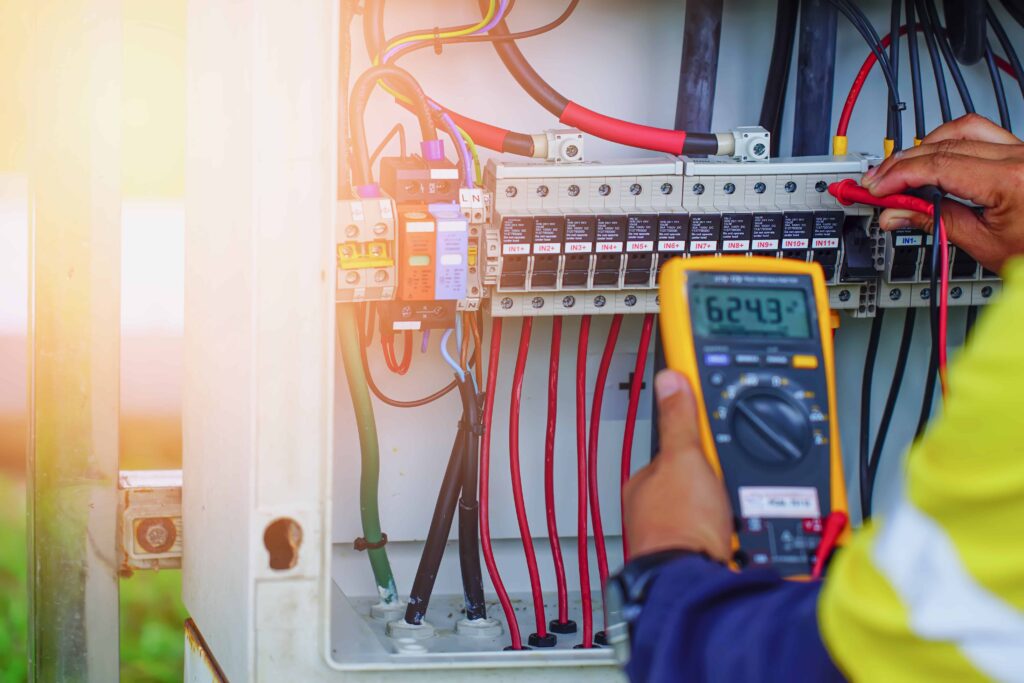
An equipment maintenance checklist focuses on internal equipment and building automation systems. The security system and all your lift, plumbing and system control units are examples of equipment your maintenance team would inspect using an equipment checklist.
Energy Usage
An energy usage checklist monitors elements that use electrical power. Recording gauge readings for assets such as cold storage for restaurants or energy-efficient equipment for a green business enables facilities management to make an at-a-glance determination as to whether or not to make any adjustments.
Safety Protocols
A safety protocol checklist helps maintain and improve safety by focusing on critical facility safeguards. Some common items on a safety checklist include ensuring the security system works properly, fire extinguishers are at the proper pressure and up-to-date and making sure emergency exit route signs are in place and exits are unobstructed.
Outdoor Facility Management
An outdoor facility management checklist focuses on a external elements. An outdoor checklist outlines safety conditions, such as potential trip hazards on pavements and car parks. It makes sure blue badge parking spaces are clearly marked and ramps are accessible and stable. Aesthetic items like grass maintenance and landscaping may be part of the same inspection checklist or may have a checklist of their own.
Facilities Management Checklist Essentials
Regardless of its area of focus, a facilities management checklist template will prioritise one or all of four key elements. The four pillars of facilities management are:
- People – this pillar prioritises the well-being of staff and visitors.
- Processes – this pillar focuses on the procedures involved in maintaining a location.
- Building – this pillar targets site maintenance budgets and planning.
- Technology – this pillar prioritises software and information technology (IT) hardware integrations for updating and upgrading processes and operations.
I. Safety and Security
Facility managers look to safety and security essentials to ensure the well-being of anyone who walks onto the property or enters the building. From visitors to personnel, these checklists prioritise the protection of everyone in the building from various threats. Commonly targeted safety and security essentials include emergency response plans, fire alarms and extinguishers, access control, video surveillance equipment and carbon monoxide detectors.
II. Maintenance
Maintenance essentials focus on preserving a site’s physical condition and keeping equipment functioning correctly. A facilities maintenance checklist prioritises tasks such as preventive maintenance, reactive maintenance, tracking work orders and managing third-party vendor activities.
III. Energy Systems
Energy system essentials prioritise energy usage and assets that rely on electricity to function. Companies often put a strong emphasis on energy conservation and lower energy bills. Environmental sustainability is another strong driver in energy system monitoring. HVAC, heating systems, lighting and utility monitoring are commonly tracked for energy checklists.
IV. Space management
Space management focuses on layout and design, space planning and allocation, and workplace flexibility. Internal spatial elements frequently factor into implementing just about any facilities management checklist. A regular maintenance checklist for space management might include ensuring automatic doors and windows function properly, inspecting floors for trip hazards or making sure storage areas are adequately maintained.
V. Sustainability
Sustainability prioritises environmental considerations. Energy-efficient equipment and green cleaning practices are two frequently utilised elements for sustainability essentials. A checklist focused on sustainability will often monitor waste management practices, cleaning solution ingredients and the energy consumption of critical equipment.
VI. Compliance and Regulations
Compliance essentials focus on maintaining the health and safety of everyone within the facility. The HSE (Health and Safety Executive) are the most prevalent agency that governs health and safety standards. Local and state agencies often enforce commercial and industrial building codes, considerably impacting occupant well-being.
VII. Asset Management
Asset management essentials entail monitoring and maintaining a facility’s assets, such as equipment and inventory. Asset management checklists might include manufacturing and packaging equipment, stockroom supplies or end-product inventories.
VIII. Equipment Repairs
Equipment repair essentials fall under regular maintenance tasks but specifically address breakdowns. An equipment repair checklist ensures facilities managers can rely on their teams to promptly address crucial equipment and machinery issues to avoid production disruptions and unplanned downtime.
IX. Financial Management
Financial management essentials involve allocating financial resources, budgetary planning and tracking expenses. These high-level tasks usually fall on executives and management to analyse and manage facilities-related finances effectively and cost-efficiently.
X. Communication and Collaboration
When management and teams update each other on progress, everyone can respond more promptly to unexpected situations. Communicating thoughts and ideas between teams and departments encourages creative solutions and innovations. As a facility management essential, this element often appears in performance reviews rather than a maintenance checklist.
XI. Technologies and Tools
Tools and technology can efficiently use data analytics and reporting to stay up to date and help anticipate maintenance and replacement needs.Internet of Things (IoT) devices let equipment talk to a control centre, keeping teams updated on real-time equipment conditions and performance. Mobile apps enable personnel to view specific asset information anywhere in the facility.
XII. Disaster Recovery
Preparing for a variety of potential incidents is critical to effective facilities management. Incorporate disaster recovery, emergency response and crisis management into your company’s operating procedures. Create teams to carry out response and recovery efforts and provide continuing education to ensure preparedness.
Maximising Facilities Management with ServiceChannel
Today’s software options simplify the creation and utilisation of checklists. A robust facilities management software solution empowers personnel to focus on real-world work duties. It takes on the task of tracking and analysing critical asset and facility information. Streamline facility management and keep your teams informed in real-time with Service Channel. Request a demo today!